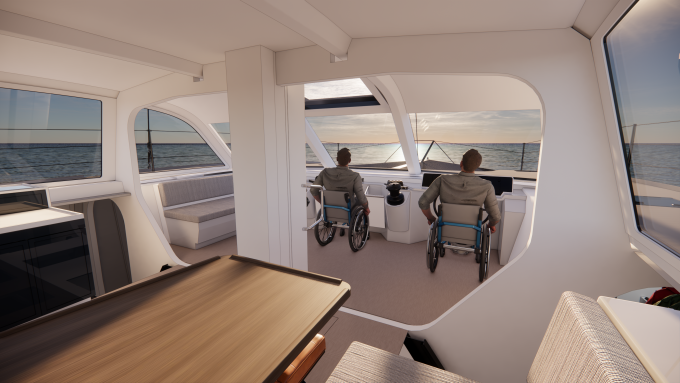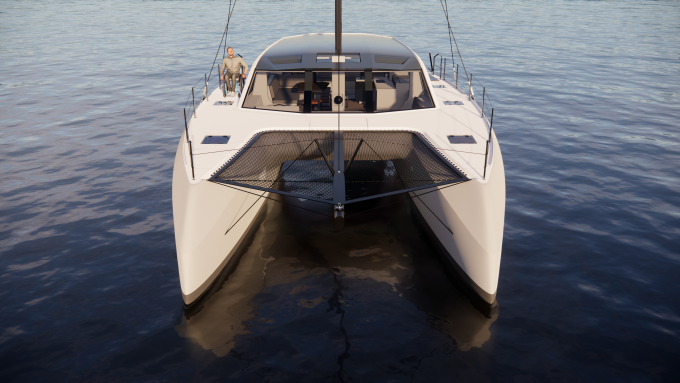

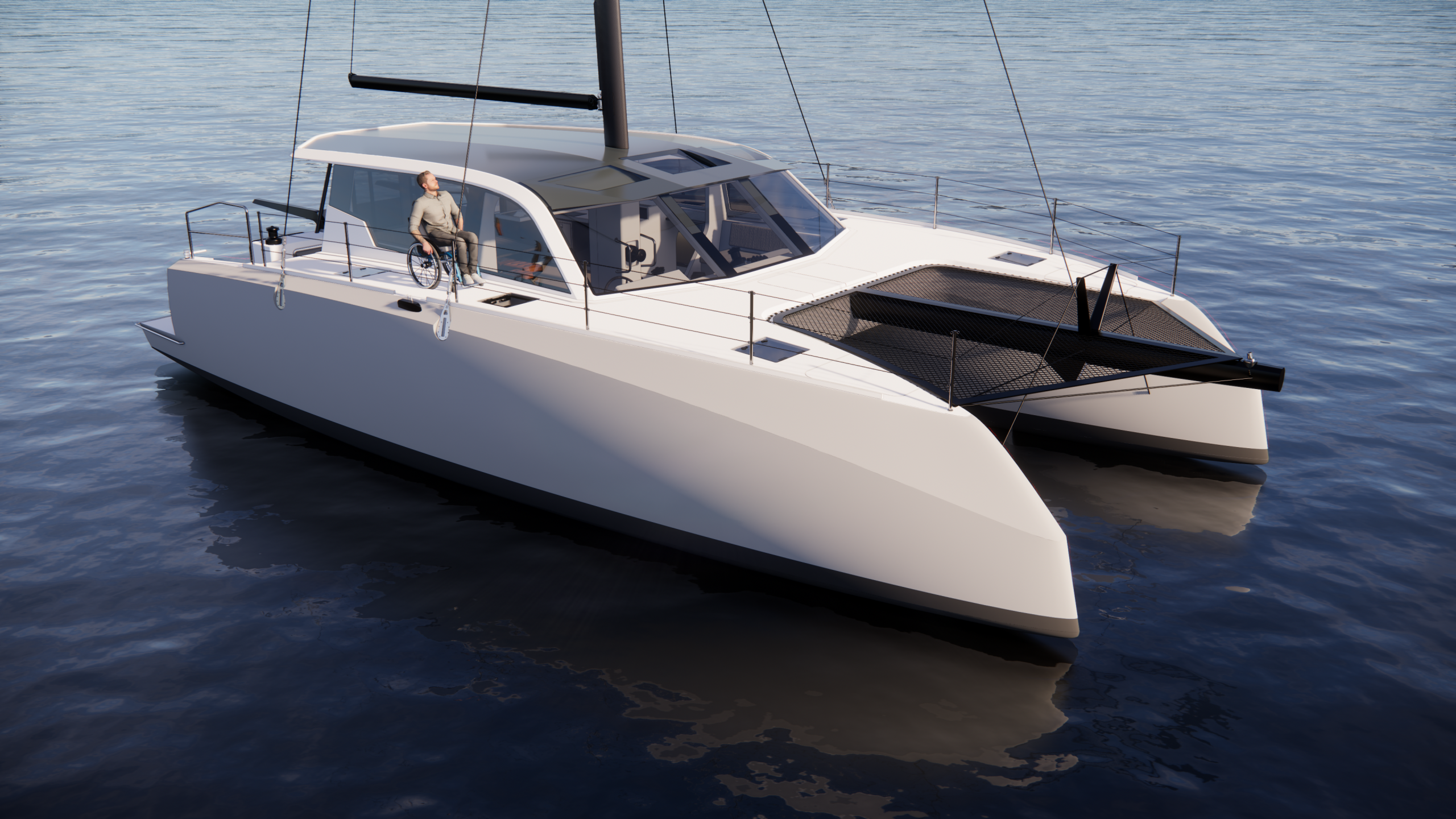
Survey data in the UK reveals a significant gap in open space access for disabled people, with major barriers including uneven paths, lack of accessible facilities (like changing places toilets), poor maintenance, and societal attitudes. This leads to lower participation in outdoor activities despite the benefits for health and well-being. Overall green space access inequality exists across deprivation and ethnicity. Disabled individuals face distinct physical and confidence hurdles, highlighting a need for better infrastructure and inclusive design in public spaces.
Key Findings from Surveys
- Activity Alliance (2023-24): Only 14% of disabled people feel “nothing stops” them from being active outdoors, versus 29% of non-disabled people, with common barriers being lack of motivation, confidence, and seasonal inaccessibility (uneven paths, poor facilities).
- UK Disability Survey (2021): A third of disabled respondents often had difficulty accessing public spaces, citing a lack of disabled/Changing Places toilets, ramps, and inaccessible shops/restaurants.
- Health Foundation (2020): Disabled people are slightly less likely to live in areas with less green space deprivation, but face greater overall inequality in access compared to other groups like minority ethnic groups.
- Research Institute for Disabled Consumers (2021): 63% prioritize Changing Places toilets in country parks, and 1 in 5 said the lack of one made a day out impossible.
Main Barriers to Access
- Physical Infrastructure: Uneven paths, lack of accessible facilities (toilets, changing places), poorly maintained trails, and inaccessible transport to spaces.
- Confidence & Perception: Fear of judgment, lack of confidence in navigating spaces, and past negative experiences deter repeated visits.
- Information Gaps: Difficulty finding accurate, detailed information about accessibility features before visiting.
- Socio-Economic Factors: Costs, reliance on benefits, and feelings of not seeing “people like them” in active roles.
The work of the Voyager Trust is aimed at overcoming these hurdles and making adventure accessible to all.

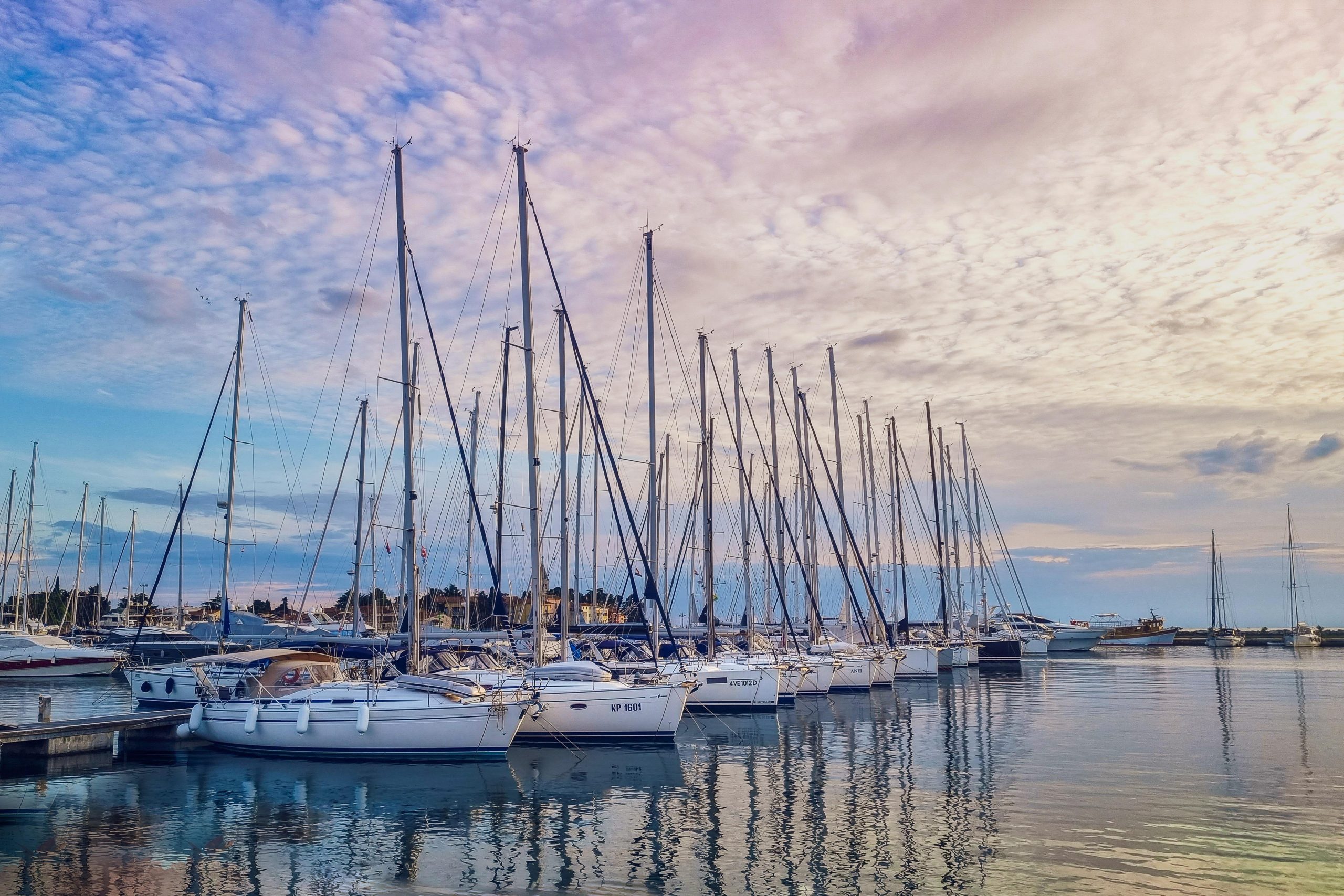
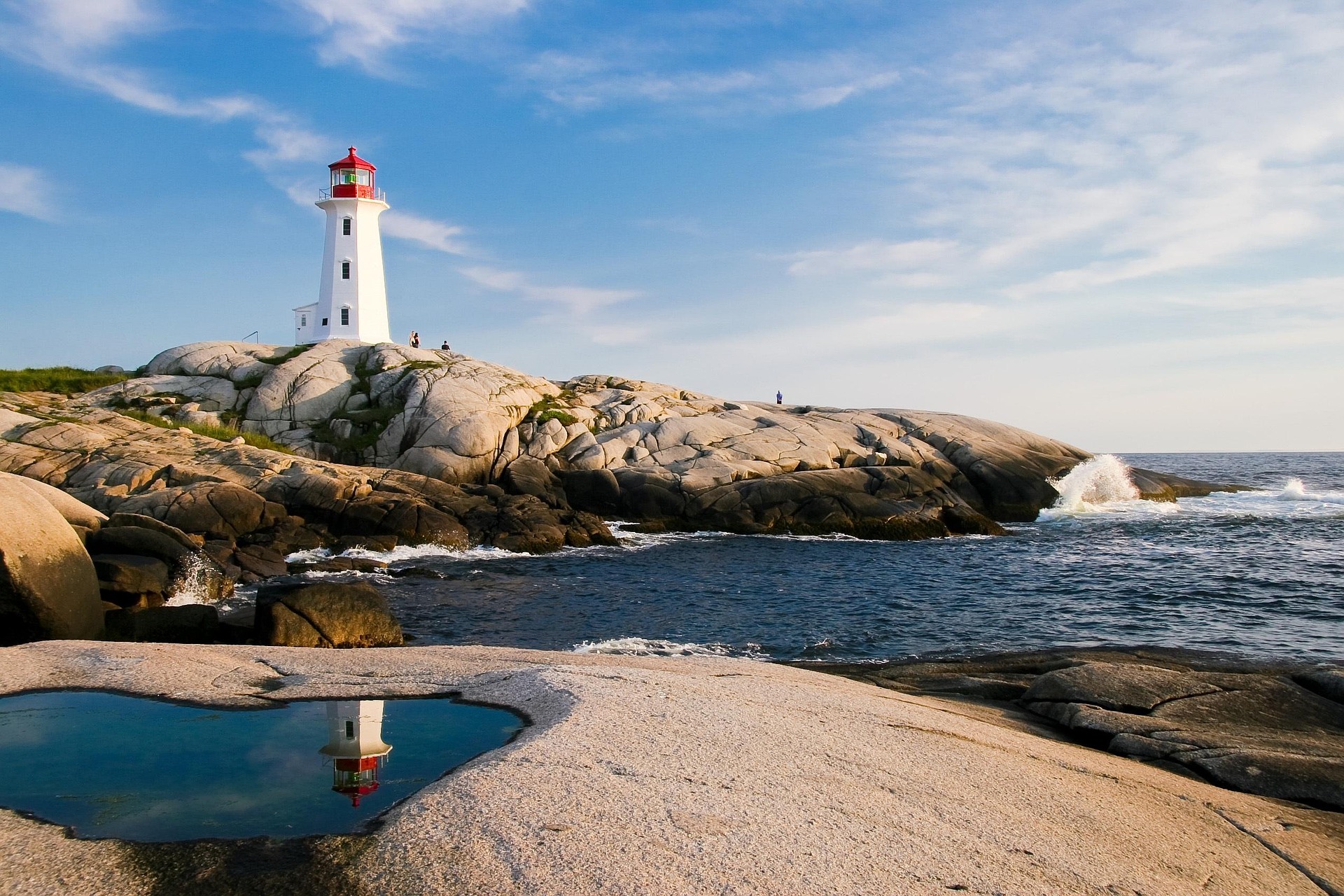
The Voyager Trust will redefine what is possible in accessible sailing — creating opportunities for adventure, independence, and learning at sea. By combining expert design, professional instruction, and an inclusive ethos, the Trust will ensure that the experience of sailing is open to all.
Sailing offers a unique connection with nature: feeling the wind, hearing the waves, and being surrounded by vast water creates a profound link to the natural world, a powerful antidote to daily stress. It can be your gateway to freedom & exploration offering unmatched independence, letting you chart your own course and reach secluded spots inaccessible to larger vessels. The Voyager Trust sailing school will allow users to achieve a level of mastery & challenge in relation to the water. The constant puzzle of reading the wind and water, improving skills, and the satisfaction of conquering the elements, whether in a calm cruise or a competitive race will give all users, whatever their situation, transferrable skills and unique opportunities. At other times sailing can offer adrenaline & serenity gifting sailors the calm peace of gliding across a tranquil sea. A final key elements of being on the water is the sense of community & camaraderie, working as a team to achieve a shared goal.